When a Child Has Trouble Sleeping: What Parents Can Track and Ask
Use a consistent routine and wake time, keep a short sleep log, and speak with a pediatrician about persistent problems, frequent snoring or breathing concerns.

Practical guides on habits, chores, journaling, and staying organized — written by the team at Famello.
Use a consistent routine and wake time, keep a short sleep log, and speak with a pediatrician about persistent problems, frequent snoring or breathing concerns.
A volume-limit label is useful, but it cannot make every listening session safe. This practical guide explains what to verify, how time and volume work together, and which habits protect a child's hearing.
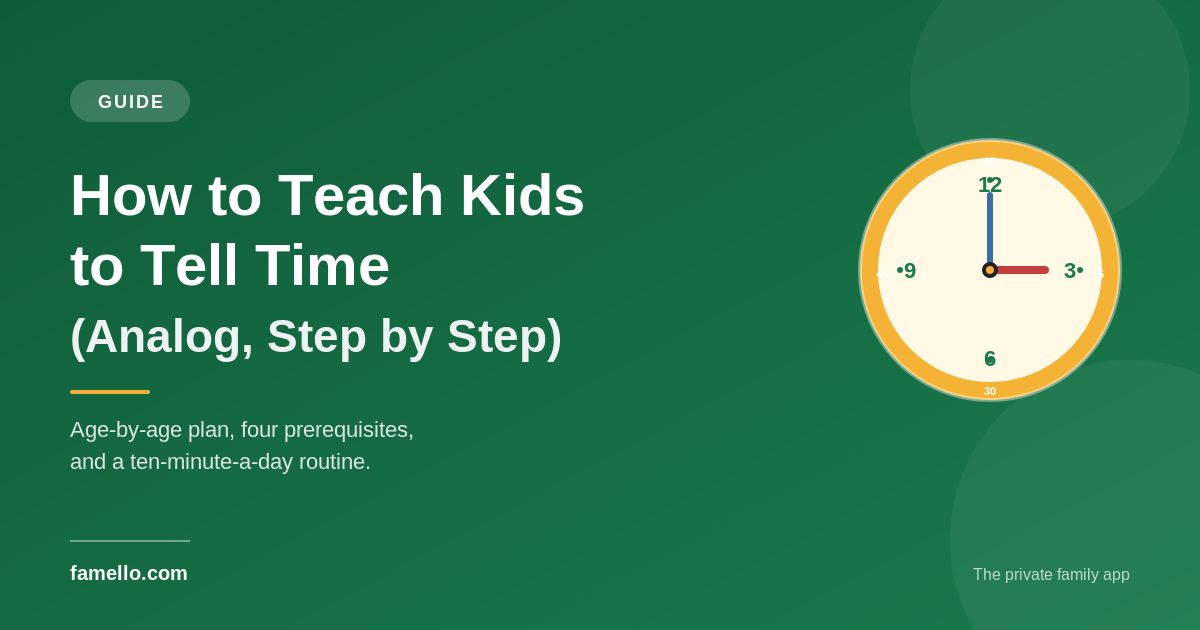
Analog clocks look simple until you try to teach one. Two hands moving at different speeds, a face labeled 1–12 that means 5–60 for the minute hand. Here's the age-by-age plan that actually works, the prerequisite skills most kids skip, and the common stumbles that stall progress.
Begin with the place the child already chooses. Add reachable books, comfortable support and adequate light, then test the setup before buying furniture.
Most "best family board games" lists are really "board games we own." Here are the ones that actually get played on a Friday night, grouped by age — from three-year-olds who can't lose gracefully to teens who need a game with real strategy. Setup times, teach times, and honest notes on which ones…
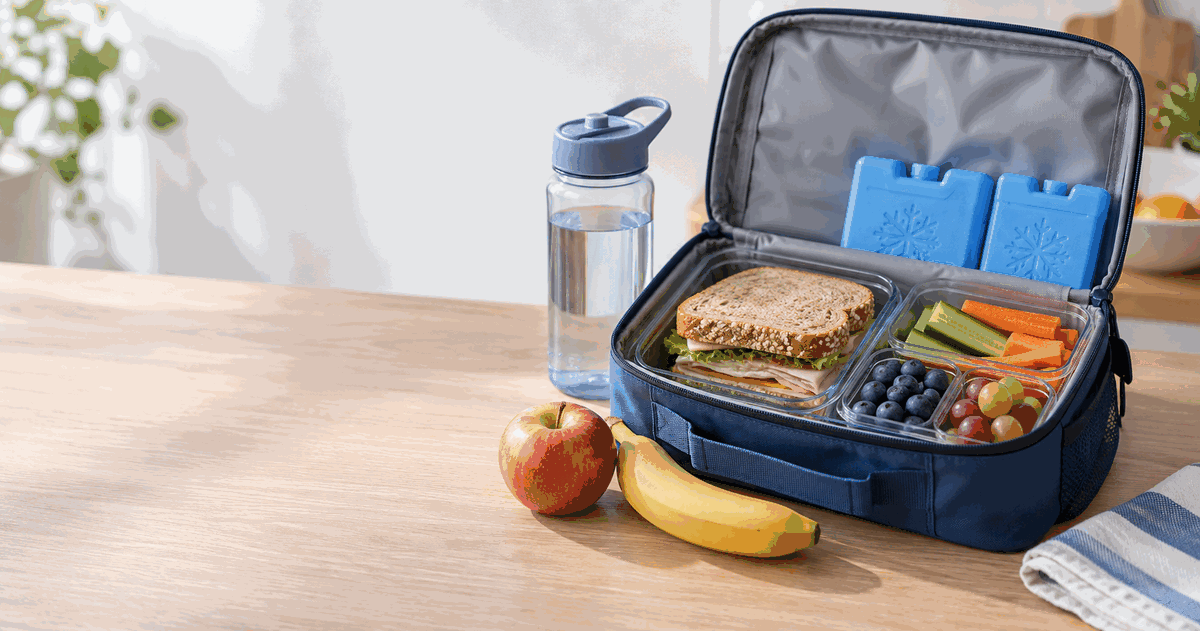
Combine a main food, produce, a supporting side and water based on the child's needs—and keep perishable food cold with appropriate cold sources.
A useful STEM kit lets a child predict, build, observe and change something. Check the exact kit's safety information and instructions instead of relying on a “best” label.
Cooking with kids is one of those things that sounds sweet in theory and looks like a small disaster in practice. But there is a version of it that is calm, actually useful, and safe — and it starts with matching the job to the kid, not the recipe to the parent. This guide breaks kitchen skills…
Use the child's interests and a quick page check to find the right reading fit. Age bands are publisher guidance, not a measure of ability or enjoyment.