First-Day School Worries: A Supportive Preparation Plan
Listen for the specific worry, rehearse the parts you can, identify a trusted school adult and seek professional help when distress persists or disrupts attendance.

Practical guides on habits, chores, journaling, and staying organized — written by the team at Famello.
Listen for the specific worry, rehearse the parts you can, identify a trusted school adult and seek professional help when distress persists or disrupts attendance.
Begin one or two weeks before school when possible, move the schedule gradually, anchor the wake time and adjust the plan to your child's actual sleep needs.
Most back-to-school stress isn't caused by forgetting things. It's caused by doing everything in the last 48 hours. Here's a back to school checklist built backwards from day one — what actually has to happen two weeks out, one week out, and the night before, plus the four jobs that always get…
Curiosity isn't a personality trait — it's a habit the whole family either protects or quietly kills. Kids ask around 100 questions a day at four, and almost none at ten. Here's what actually keeps that instinct alive: how to answer their questions, when to hand them a real tool, and what to stop…
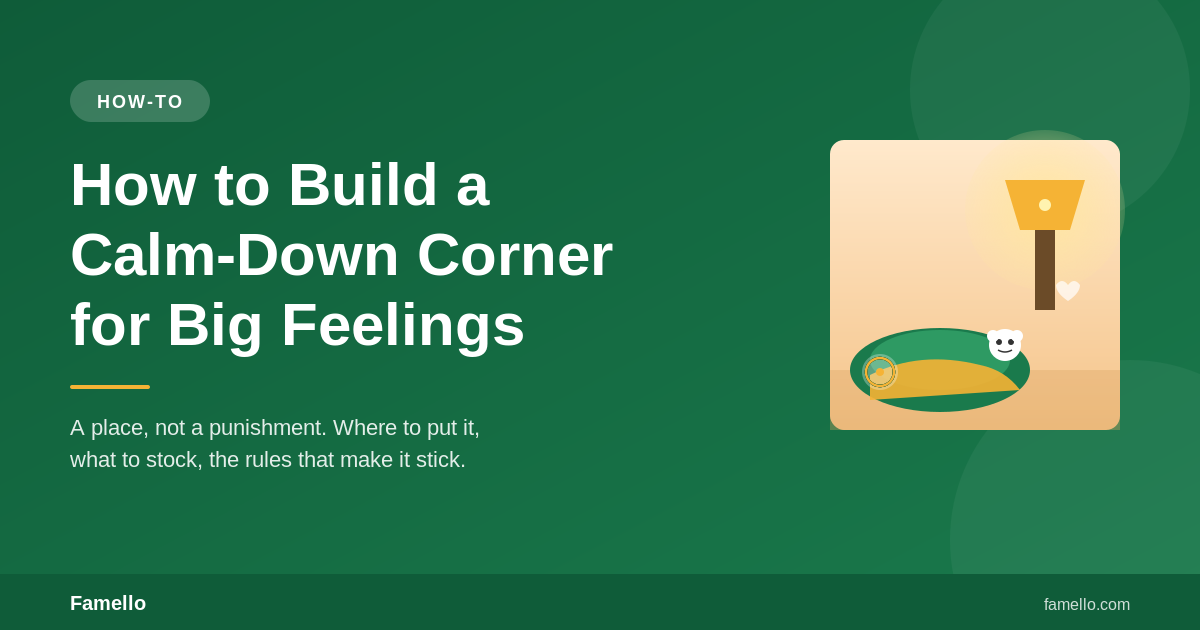
A calm-down corner is a small, boring corner of a room that saves whole afternoons. It's not a time-out. It's a spot with soft light, one comfy thing to sit on, a feelings chart, and two or three sensory tools. Here's how to build one that actually gets used.
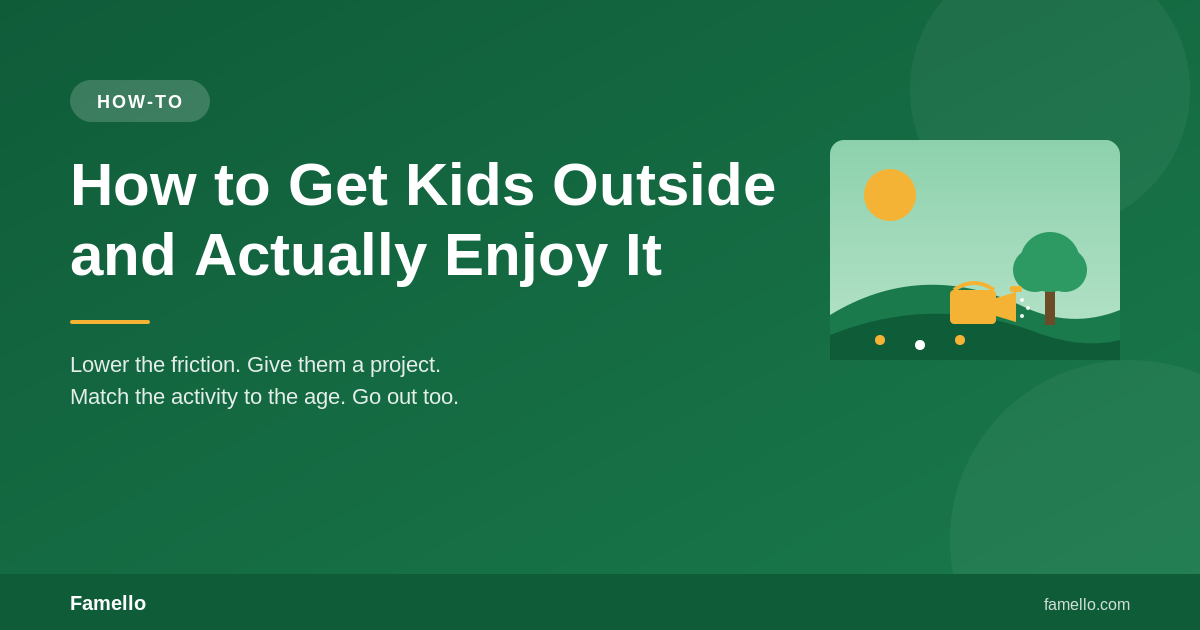
"Go outside" is a great sentence and a lousy plan. Kids drift back inside in ten minutes because the yard is boring, the friction is high, and no one has given them anything to actually do. Here's the practical version: by age, by weather, and the one project that keeps them out there for an hour.
Handing a teenager a blank leather-bound journal is a great way to get zero pages of writing. This is the practical version — the formats, prompts, and privacy rules that actually get a teen to write, plus an honest note on where journaling helps and where it doesn't.
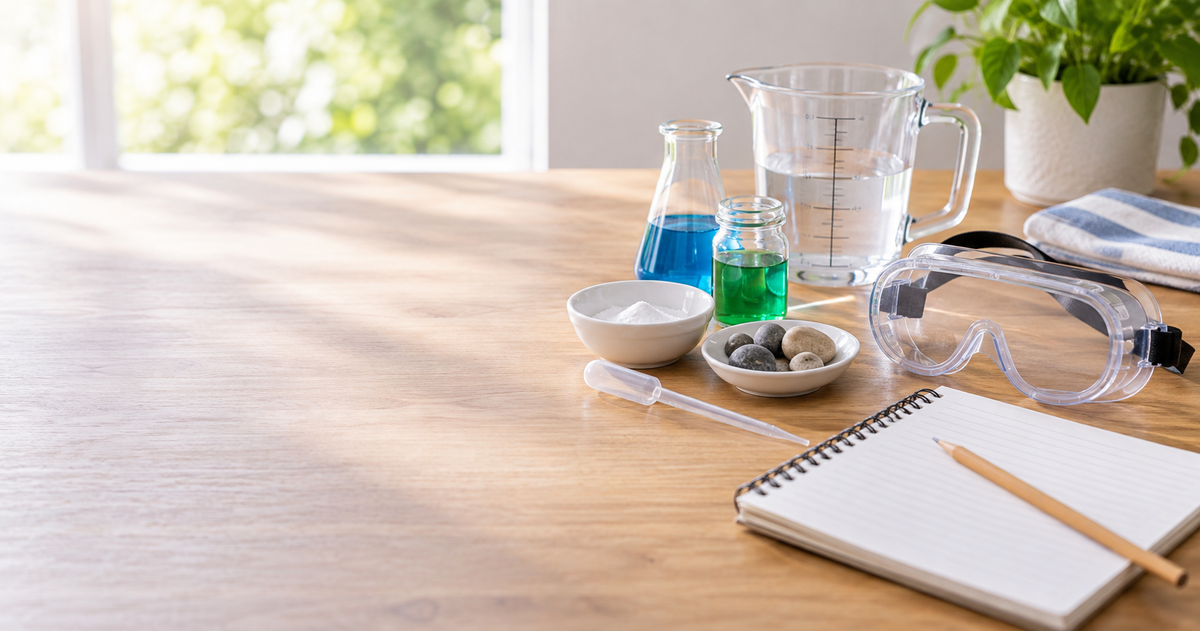
A good kit makes the question, procedure and result visible. Check the exact kit's warnings and required supervision rather than trusting a ranked list.
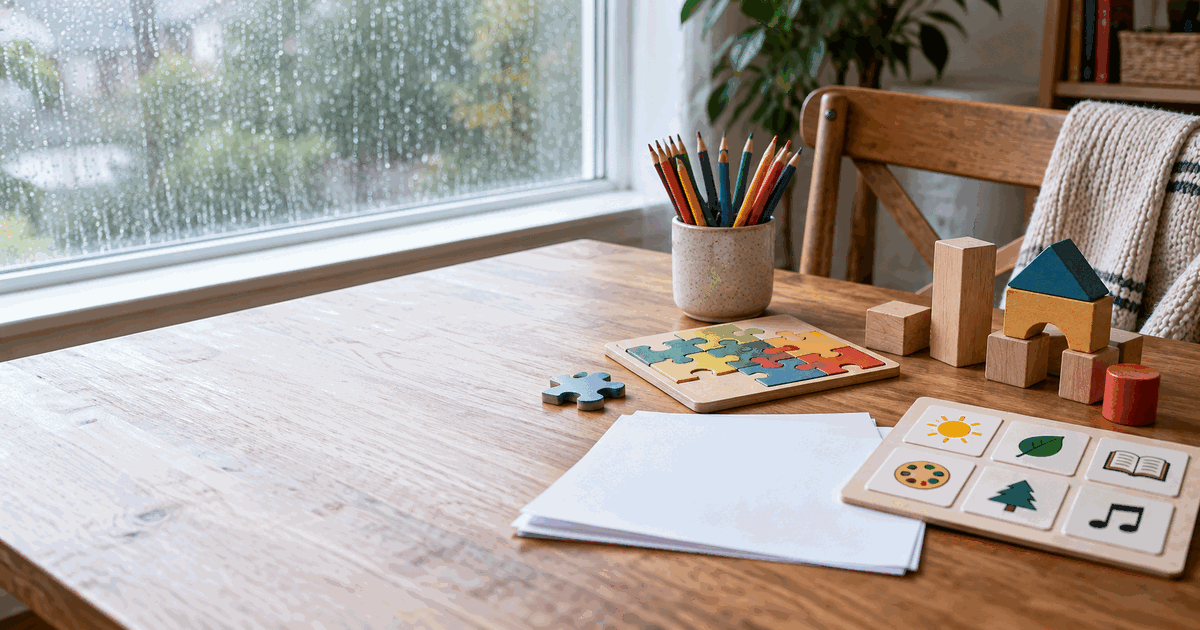
Offer two or three visible choices matched to the time, energy and supervision available. The goal is an easier start, not a perfectly screen-free day.