It is 5:40, a school bag is open across the kitchen floor, and someone wants to know what is for dinner. A recipe with fourteen ingredients is unlikely to help. What helps is a familiar meal, food already in the house, and a first step you can take without scrolling.
The most useful quick weeknight dinners for families share three things: a fast base, a protein that needs little preparation, and a vegetable you can serve without another complicated cooking job. Add a short dinner rotation and one backup meal, and the evening has somewhere to start.
The plan below aims for about 20 minutes from starting to serving, using the shortcuts named beside each meal. These are planning estimates, not tested recipe timings. Your portions, equipment, and interruptions may stretch them. A workable dinner still counts when it takes 25 minutes.
Count the whole dinner clock
Before saving a “20-minute meal,” check what the clock includes. Does the recipe assume washed vegetables, cooked rice, boiling water, or an already-hot oven? Those steps are real work, even when they sit outside the stated cooking time.
Choose the clock that matches your evening:
- Twenty minutes until eating: use canned beans, quick-cooking couscous, eggs, tortillas, or another genuinely quick starting point.
- Twenty minutes of active cooking: a meal can take longer overall if you start earlier and can follow its supervision requirements.
- Almost no cooking capacity: use a simple assembly meal or a safely stored prepared option. You do not need to earn dinner by making every component.
For a family of four, a pan that holds only two quesadillas will need multiple batches. Doubling a recipe can also mean extra chopping or a longer heat-up. Match the meal to the equipment you actually have, especially when the deadline is fixed.
Build a five-slot dinner rotation
Start with meal shapes your household already eats: pasta, wraps, bowls, eggs on toast, and an easy backup. Give each shape a place in the week, then choose its ingredients when you shop. Familiarity makes the decision smaller without requiring the same dinner every Monday forever.
Look at the busiest evening first. If everyone gets home late on Wednesday, that is the night for wraps or eggs, not a new recipe. Put a meal with extra waiting time on an evening when an adult can start sooner.
Repeat useful ingredients across two meals. A cucumber can go beside quesadillas and into chickpea bowls. Tortillas can become bean wraps one night and cheese quesadillas another. Buy quantities for the people you feed, and keep a flexible extra such as bread or a second can of beans for bigger appetites.
Write down the dinner and its owner together: “Tuesday: chickpea bowls; Alex starts the couscous.” A visible plan with a named first task is more useful than a list that assumes somebody will notice it.
Use a hands-off dinner slot honestly
A pressure cooker can suit an evening when an adult has time to start dinner earlier, then turn attention to another nearby task while it cooks. The Instant Pot Duo 7-in-1 Electric Pressure Cooker (6 Quart) can fill that role. Consider it if pressure cooking or batch preparation fits meals you already make; a saucepan remains a perfectly useful route to dinner.
An option for pressure-cooked meals and batch preparation when your evening allows time for heating, cooking, and pressure release.
Check price on Amazon →The manufacturer lists pressure cooking, slow cooking, sautéing, steaming, rice, yogurt, and warming among the Duo’s functions. Those options describe what it can do; they do not make every recipe a 20-minute dinner.
The pressure-cooking countdown is only part of the total. Allow for preparation, reaching pressure, and the recipe’s specified release method. Follow your model’s manual for liquid, fill limits, steam release, and safe operation. Keep children away from the cooker and hot steam, and never force the lid open.
If you get home with only 20 minutes left, choose one of the quick meals below. Save the pressure-cooker meal for an earlier start or use it to prepare components for another day.
Choose quick meals with visible shortcuts
Use these as flexible meal outlines for roughly four servings, adjusting amounts for your household. The estimates include simple assembly and cooking with the specified shortcuts. Follow package instructions, accommodate allergies, and let doneness take priority over the timer.
| Dinner | Planning estimate | What makes it quick |
|---|---|---|
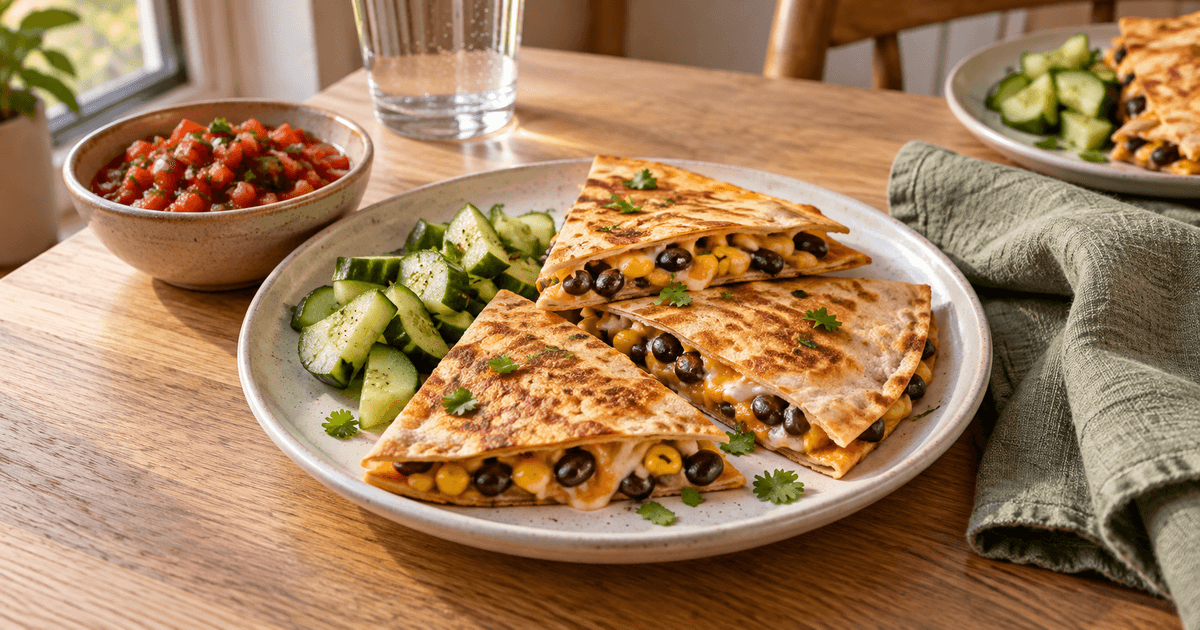
| Bean and corn quesadillas | 15–20 minutes | Canned beans and corn, grated cheese, and a pan big enough for your portions. |
| Tomato pasta with peas | About 20 minutes | Short-cooking pasta, jarred sauce, and frozen peas; start heating water first. |
| Chickpea couscous bowls | 15–20 minutes | Instant couscous and canned chickpeas, with cucumber and tomato. |
| Scrambled eggs on toast | 10–15 minutes | A short ingredient list and a cold vegetable or fruit side. |
| Bean and salad wraps | 10–15 minutes | Ready-to-eat canned beans, tortillas, washed greens, and a familiar dressing. |
Bean and corn quesadillas
Drain a can each of black beans and corn. Mash some beans with mild seasoning, then spread a thin layer over tortillas with corn and grated cheese. Fold and cook in a lightly oiled pan, turning until the filling is hot and the outside is golden. Serve cucumber and salsa alongside. Keep the filling modest so the middle heats before the tortilla gets too dark.
Tomato pasta with peas
Get the water heating before doing anything else. Cook pasta according to its packet, prepare frozen peas as directed, and warm jarred tomato sauce in a second pan or suitable microwave dish. Combine and add grated cheese if your family likes it. Choose a pasta shape with a short listed cooking time; a slow-boiling stove may push dinner beyond 20 minutes.
Chickpea couscous bowls
Prepare instant couscous using the packet’s water ratio and resting time. While it stands, drain canned chickpeas and chop cucumber and tomatoes. Fluff the couscous, add the chickpeas and vegetables, and finish with olive oil and lemon or a familiar dressing. Serve components separately if that makes the meal easier for your children to approach.
Scrambled eggs on toast
Set bread beside the toaster before heating the pan. Scramble enough eggs for your household, cooking until firm rather than runny, and make toast while they cook. Add sliced cucumber or prepared fruit. If your pan is small, cook two batches and allow extra time. Breakfast food can fill an ordinary dinner slot.
Bean and salad wraps
Use ready-to-eat canned beans, drained and lightly mashed, with washed greens and dressing. Put everything on the table for people to fill their own tortillas. Leave a few ingredients separate for anyone who prefers a plate of components. This is the useful fallback when the pan is still dirty and nobody wants a cooking project.
Make the first five minutes count
Start the slowest necessary step first. For pasta, that means heating the water. For quesadillas, put the pan on once your filling ingredients are ready. For couscous, check the packet and heat its measured water. Avoid starting a second job that leaves a hot pan unattended.
Next, bring all the ingredients to one clear stretch of counter. Put a bowl nearby for scraps and a spoon beside each filling. This is a small setup, not a second preparation session. You are trying to avoid opening the same cupboard six times while something cooks.
In the middle of cooking, choose the simplest side you already planned. A cucumber or prepared fruit does not need an elaborate dressing. Leave optional garnishes optional; they should not become the reason dinner is late.
As serving time approaches, ask someone to handle plates and water. If a component needs longer to cook safely, give it that time and change your estimate for next week. The clock helps you choose and sequence tasks; it should never decide whether food is ready.
After the meal, keep one practical note: “Use the larger pan,” “buy grated cheese,” or “this pasta takes longer.” Repeating a familiar dinner with that adjustment is often more useful than searching for another supposedly faster recipe.
Shop once for ingredients that overlap
Before shopping, check the fridge and freezer. Cross off what you already have, then buy for three or four chosen meals and one backup. Planning every dinner perfectly is less useful than having ingredients for the evenings most likely to unravel.
- Bases: tortillas, pasta, instant couscous, and bread.
- Proteins: canned beans, canned chickpeas, eggs, and cheese if used.
- Vegetables: frozen peas, canned corn, cucumber, tomatoes, and greens.
- Flavor: tomato sauce, salsa, lemon, oil, and one dressing.
Choose a smaller selection if you are only cooking three nights. The list is a menu of useful ingredients, not a requirement to buy everything. Keep the backup shelf-stable or frozen where possible, and replace it after you use it.
Give everyone one useful dinner job
A second adult can take one complete task, such as serving drinks and setting the table, without waiting for instructions on every item. When one person cooks, another can check tomorrow’s dinner ingredients. That small handoff helps the plan continue.
For children, choose by skill and supervision needs. Ages 3–5 might carry napkins or wash vegetables with an adult. Ages 6–9 might count tortillas, stir a cold dressing, or arrange safe utensils. Older children can gradually learn preparation tasks with direct coaching. Age alone does not establish readiness for knives, heat, or appliances.
A paper list on the fridge works. If your household already uses our family-organization app, Famello, you can use it for the same simple job reminders. The useful part is agreeing who does what before everyone is hungry.
Plan leftovers before putting dinner away
Save a portion for a specific next meal rather than hoping it will find a purpose. Cooked pasta might become tomorrow’s lunch; extra beans can go into wraps. Label the container with the date so the next person has the information they need.
USDA guidance says to refrigerate perishable leftovers within two hours, or one hour above 90°F (32°C). Divide food into shallow containers, use refrigerated leftovers within three to four days, and reheat leftovers to 165°F (74°C), checking with a food thermometer. Freeze portions you will not use in time.
Start with tomorrow’s dinner
Pick one quick meal, check its ingredients, and decide who starts it. Put the backup beside it on the plan. After dinner, note the step that took longer than expected and adjust next time. You are building a rotation around your real kitchen and your real evenings, one repeatable meal at a time.